The Sacred Architecture of the Horse
An exploration of the sacred structural architecture of the horse.
About this ebook
Bones · Midline · The Living Intelligence of the Body
By Shea Stewart
The bones of the horse are not simply hard structures holding the body upright.
They are living relationships.
Every bone carries a story of development, movement, compensation, protection, perception, and the deeper forces that shaped the body from the beginning. In craniosacral work, the bones become more than anatomy. They become doorways into how the horse has organized itself around life, movement, trauma, and health.
The Sacred Architecture of the Horse is a long-form ebook exploring the bones of the equine body through the lens of biodynamic craniosacral therapy, embryology, anatomy, archetype, and clinical experience.
This is not a step-by-step technique manual.
It is a deeper exploration of what the bones are, what they carry, and why horses respond so profoundly when these structures are met with the right quality of attention.
A Different Way of Understanding Anatomy
In traditional anatomy, we often learn the names, landmarks, articulations, and attachments of bones.
All of that matters.
But after years of working with horses, I have come to understand anatomy as something more alive than a diagram. Bones are not isolated pieces. They are part of a living field of motion, fluid, fascia, nervous system regulation, perception, and relationship.
The coccyx is not only the end of the spine. The sacrum is not only the foundation of the pelvis. The occiput is not only the back of the skull. The sphenoid is not only a central cranial bone. The temporals are not only bones of hearing and balance.
Each structure participates in the way the horse orients, moves, breathes, protects, perceives, and returns to balance.
This book is an invitation to understand the horse's anatomy as sacred architecture, structure shaped by life, and still listening for health.
What This Ebook Explores
Inside this book, we move through the horse's body bone by bone, following the deeper relationships that connect the skull, spine, pelvis, heart field, breath, voice, perception, and ground.
You will explore:
- The coccyx as the first axis
- The sacrum as the sacred foundation
- The occiput as the gateway between brain and body
- The sphenobasilar joint as a central fulcrum
- The sphenoid as the central axis of perception
- The ethmoid, vomer, and frontal bone as bones of the midline
- The incisive bone, maxillae, nasals, and zygomatic as bones of the heart field
- The temporals, lacrimals, and parietals as bones of listening
- The mandible and hyoid as bones of voice, jaw, tongue, and throat
- The sternum, manubrium, pterygoids, and masseters as part of breath, ground, and expression
- The field that holds the bones as one living whole
Each chapter explores anatomy, embryology, craniosacral relationships, clinical observation, and the archetypal quality of the bone itself.
Who This Ebook Is For
This ebook is for anyone who wants to understand the horse's body through a wider and deeper lens.
It may be especially meaningful for:
- Equine craniosacral students and practitioners
- Bodyworkers wanting to understand the bones beyond structural anatomy
- Horse owners who feel drawn to the deeper meaning of the body
- Trainers and clinicians interested in posture, perception, and nervous system regulation
- Saddle fitters and hoof-care practitioners who already understand that the whole horse is connected
- Anyone who has ever placed their hands on a horse and felt something they could not yet name
You do not need years of craniosacral experience to read this book.
You need curiosity, willingness, and a desire to understand the horse as more than a mechanical body.
Why I Wrote This Book
There is a stage in craniosacral work where many students wonder if what they are feeling is real.
They have learned the theory. They understand that the bones of the skull have subtle motion, that cerebrospinal fluid moves through the craniosacral system, and that the body expresses deeper rhythms of health. But when they place their hands on the horse, they may still feel unsure.
I remember that stage well.
Over time, I began to realize that the more I understood what I was touching, the clearer the work became. The bones were not just landmarks for hand placement. They were carrying relationships, histories, developmental patterns, strain, perception, and the horse's ongoing attempt to return to its own original organization.
This book began from that realization.
It was written for anyone who has stood beside a horse, felt something beneath their hands, and wondered what it meant.
This Is Not a Manual
The Sacred Architecture of the Horse does not teach protocols or step-by-step contacts.
Instead, it gives you a deeper way to understand the bones and the living relationships they participate in.
If technique tells you where to place your hands, this book helps you understand what you may be touching.
It is meant to deepen your perception, enrich your study, and support the way you see the horse as a whole living system.
What You'll Receive
Your purchase includes:
- A downloadable long-form ebook
- A bone-by-bone exploration of the equine craniosacral system
- Reflections on anatomy, embryology, biodynamic principles, and clinical experience
- Archetypal language to help understand the deeper qualities of each bone
- A companion resource for students, practitioners, and thoughtful horse owners
- A book you can return to as your understanding and perception continue to grow
A Final Thought
The more deeply we study the horse, the more we realize the body is not assembled from separate parts.
It unfolded.
Every bone came into form through relationship, movement, fluid, rhythm, and orientation. And even after the body is fully grown, those relationships continue to speak through posture, expression, breath, movement, and the way the horse meets the world.
The Sacred Architecture of the Horse is an invitation to listen to the bones as living expressions of the whole horse.
About the instructor
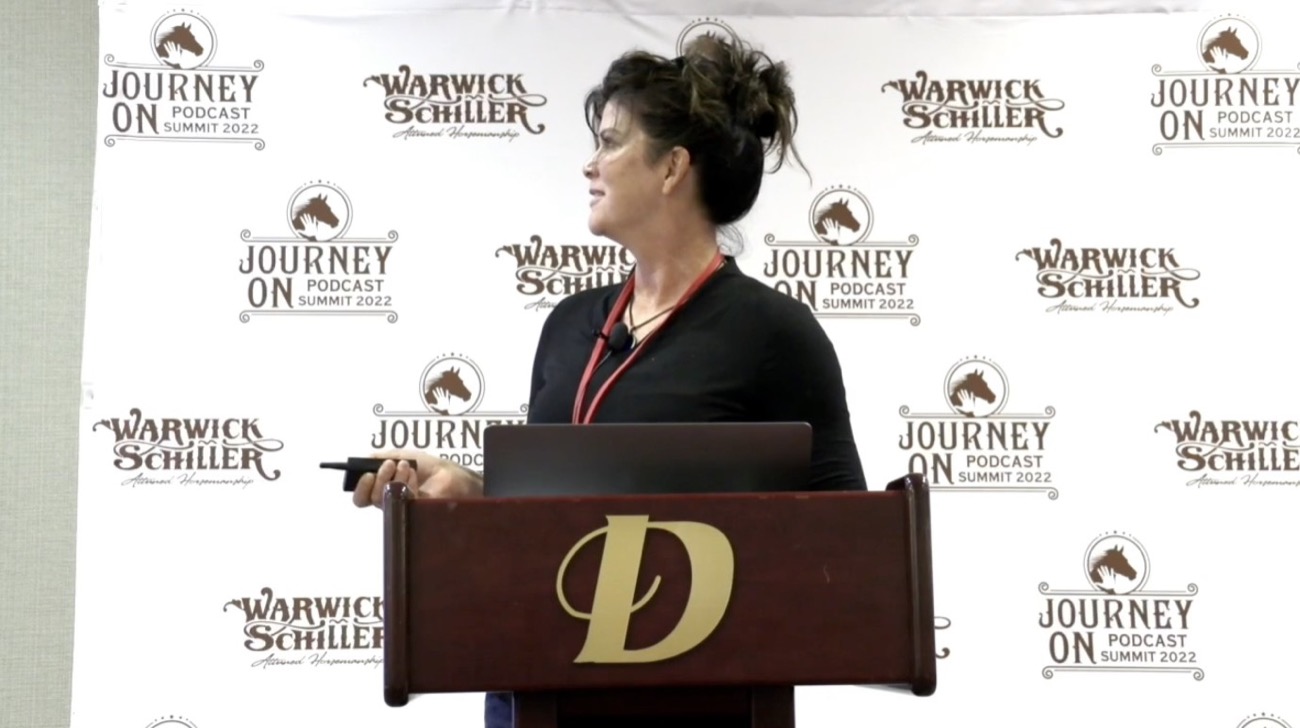
Shea Stewart
Certified Biodynamic Craniosacral Therapist
Shea is a certified Biodynamic Craniosacral Therapist with over 25 years of experience in equine bodywork, having studied with leading educators in the field including Ryan Hallford, Michael Shea, Ian Wright, and Hugh Milne. Her journey began as a horsemanship trainer and coach, and her work has always honored the horse as a whole, in mind, body, and spirit. Today she weaves decades of hands-on practice into a distinctive blend of biodynamic and biomechanical understanding, reflected in the curriculum she teaches here.